
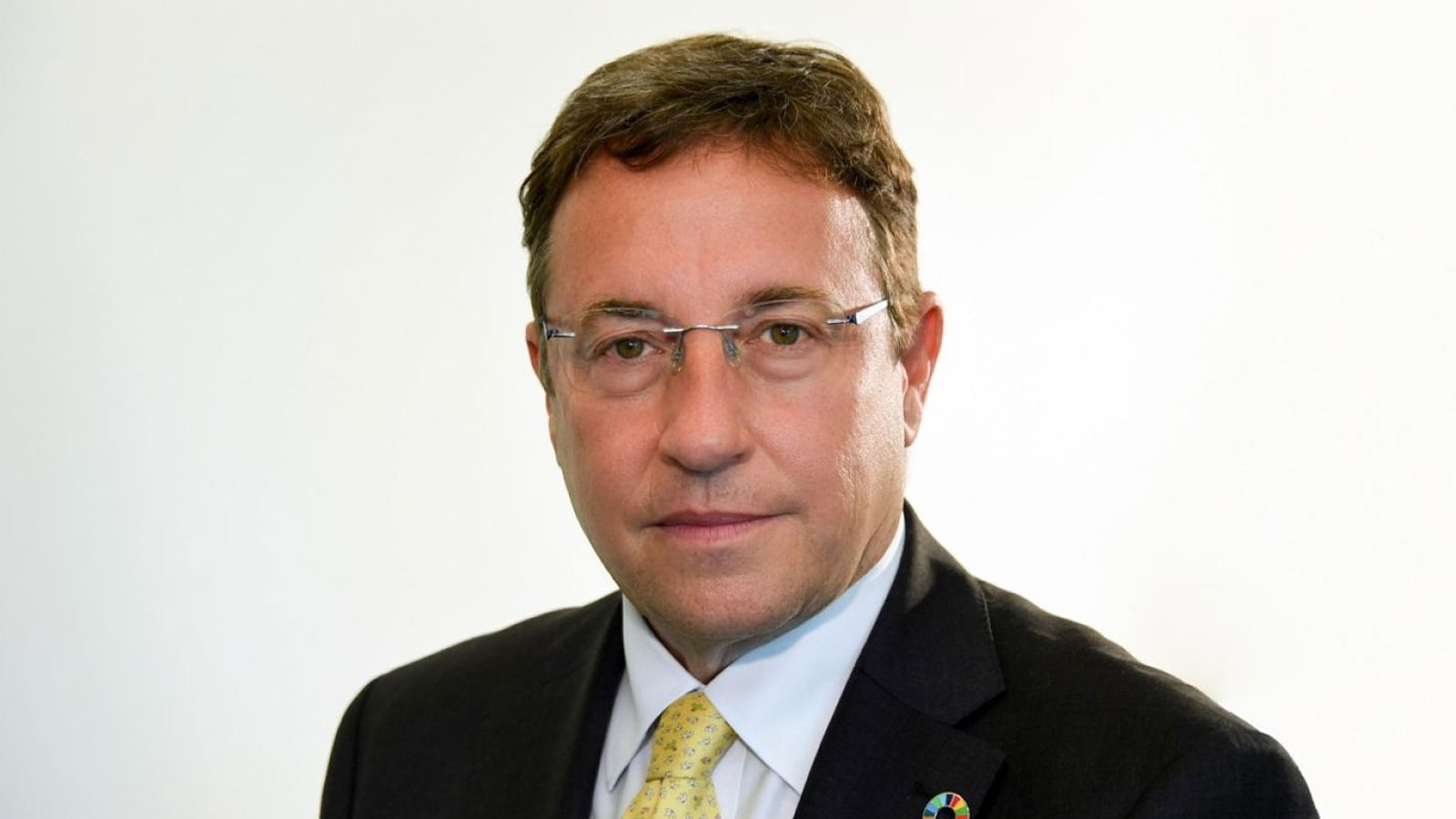
As the Insurance Development Forum (IDF) marks its tenth anniversary, it does so against a backdrop of escalating disaster risk and widening protection gaps, but also growing recognition that insurance has a critical role to play in sustainable development. Few leaders have been as closely involved in shaping this agenda as Achim Steiner, former Co-Chair of the IDF and former Administrator of the United Nations Development Programme (UNDP).
Appointed UNDP Administrator in 2017, Achim Steiner brought to the IDF decades of experience at the intersection of climate policy, sustainable finance, and international development. Formerly Executive Director of the UN Environment Programme (UNEP), and a long-standing advocate for integrating risk management into development planning, Steiner has been a central figure in positioning insurance not merely as a financial product, but as a core pillar of resilience, fiscal stability, and inclusive growth in emerging and developing economies.
Duringhis co-chairmanship, the IDF evolved from a convening platform into an operational public–private partnership, most notably through the IDF Tripartite Programme with UNDP and Germany’s BMZ, translating technical insurance expertise into tangible regulatory reform, market development, and country-level impact.
This shift – from dialogue to delivery – has helped embed use of insurance solutions and capabilities more deeply into national climate and disaster risk strategies. In this Q&A, Achim Steiner reflects on the IDF’s origins, its most important milestones over the past decade, and the lessons learned from building collaboration between insurers, governments, and development institutions. He also shares his personal reflections on leading the Forum through a period of rapid growth, and outlines what must come next as the IDF enters its second decade with ambition to scale impact and strengthen financial protection for the world’s most vulnerable communities.
Looking back: What motivated you to take on the role of Co-Chair of the Insurance Development Forum, and what did you hope the IDF could achieve when it was established?
I was motivated by the accelerating threat of climate risk and the colossal global protection gap. UNDP believed the IDF could provide a unique platform to deploy the insurance sector’s deep expertise (e.g. actuarial science, pricing of risk) and capital to partner with the public policy mandate and global reach of key development institutions, to break new ground in providing accessible and affordable insurance solutions for many of the most vulnerable nations.
Key moments: In your view, what have been the most significant milestones or turning points in the IDF’s journey over the past decade?
The most pivotal moment was securing and launching the groundbreaking Tripartite Programme involving IDF, BMZ and UNDP. This shifted us from abstract theory to direct, on-the-ground support, actively assisting dozens of emerging and developing economies in reviewing their regulatory frameworks and creating new pathways to accessible risk transfer solutions for their citizens.
Impact: Where do you think the IDF has made the most progress in driving change for climate resilience, sustainable development, and financial protection for vulnerable communities?
The IDF’s greatest progress has been in engaging leading insurance companies in reevaluating their role and relevance in emerging and developing markets against the backdrop of looming climate risks, and in enabling policy and regulatory change. By helping countries modernize and standardize their insurance frameworks, we’ve successfully laid the necessary groundwork for sustainable, inclusive insurance markets, which is crucial for scaling up vital financial protection against climate shocks.
Partnerships: The IDF was created as a public–private partnership. From your perspective, what has made this collaboration model successful; and where has it been most challenging?
Success is built on a shared, urgent commitment to mitigating global risk, effectively pooling the private sector’s technical and scaling capabilities with the public sector’s role in policy design and regulatory reform. The main challenge often involves bridging the cultural and temporal gap between the market’s hesitation to invest in nascent and smaller developing country markets while development institutions tend to focus on public policy objectives as key drivers.
Personal reflection: What was most rewarding for you personally in your time as Co-Chair of the IDF?
It was profoundly rewarding to work alongside three visionary Steering Committee Chairs— Stephen Catlin, Denis Duverne, and Michel Liès – and our peers from the insurance and development worlds. Each brought immense personal commitment to building this unique public-private platform. Witnessing our collective strategy translate through joint working groups led by dozens of engaged colleagues, into tangible financial resilience for vulnerable communities in a growing number of countries remains my greatest satisfaction.
The future: As the IDF enters its second decade, what are the priorities you would like to see the Forum and its partners focus on to maximise impact?
The priority must be transformative scaling across all initiatives. We need to move decisively from effective pilot projects toward full national programs, rigorously embedding high-quality, comprehensive risk data and modelling into all core development and infrastructure investment decisions globally.