
Closing the information gap: Ian Branagan on what the next decade of climate risk resilience demands
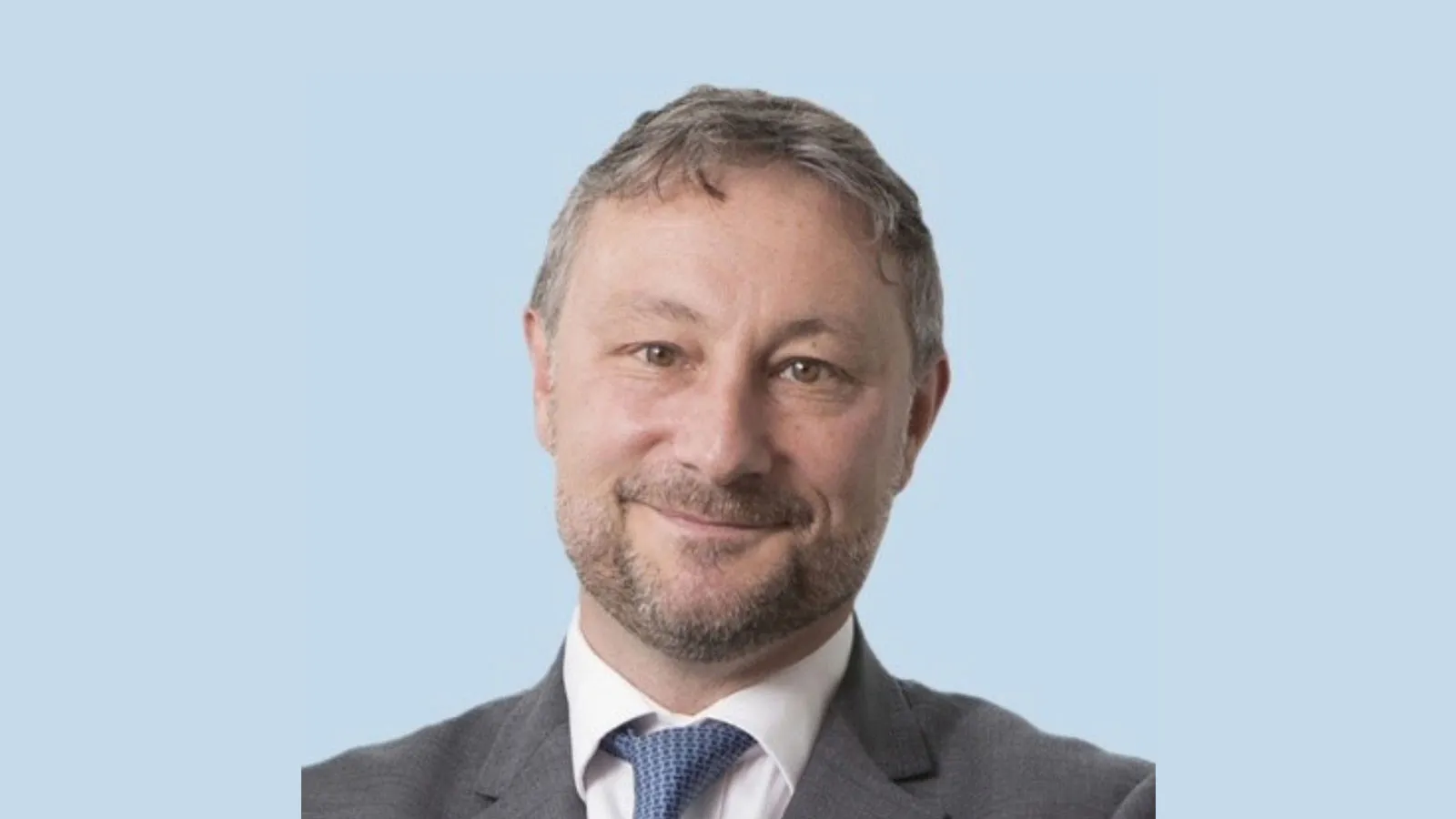
While he was Chief Risk Officer of RenaissanceRe, Ian Branagan served as Chair of the Risk Modelling Steering Group of the Insurance Development Forum (IDF). From its inception and almost a decade, he played a central role in shaping how risk data, modelling and analytics are used to support disaster risk financing and resilience in Emerging Markets and Developing Economies (EMDEs) through the IDF.
As the IDF marks ten years, Ian reflects on the Forum’s origins, the shift from reactive aid and development to pre-arranged financing for disasters, and why closing the risk information gap has been just as important as mobilising capital.
You were instrumental in the creation of the Insurance Development Forum and chaired the Risk Modelling Steering Group for many years. What motivated you to help establish the IDF, and what were the original ambitions at launch?
At its core, the motivation was to create a mechanism that could bring the insurance industry’s unique capabilities into service of better physical and financial risk management in EMDEs. My background is in risk modelling, and throughout my career I have focused on understanding risk well enough to support effective mitigation, financing and recovery decisions.
When the IDF was established, there was a clear disconnect between the sophistication of risk insight used within the insurance industry and the tools available to many governments and institutions facing the greatest climate risks. The ambition was not to promote insurance products, but to close what I would describe as an information gap. That meant ensuring countries had access to credible data, models and analytical capability so they could understand their own risks and make informed decisions about resilience and disaster risk financing.
Looking back to those early years of the IDF, what stands out as the most important decisions or turning points?
One of the most important early decisions was how the IDF structured its work. The creation of distinct but connected workstreams, covering risk modelling, transactions, policy and investment, gave the Forum focus while allowing different capabilities to reinforce one another.
For the Risk Modelling Steering Group, a pivotal choice was the commitment to open, globally accessible data and models. Rather than creating proprietary tools, the objective was to lower barriers to entry and democratise access to risk insight. This approach proved essential in building trust with governments and intergovernmental partners, and in creating a shared technical language for discussing risk.
The IDF was created to help narrow gaps in disaster risk protection. Where has the most tangible progress been made, and where is the biggest unfinished business?
I tend not to frame this primarily as a protection gap. For me, the foundational issue has always been the information gap. If governments, development institutions and insurers are all working with different data, different models and different assumptions, it becomes almost impossible to reach viable solutions.
The most tangible progress has been made where countries now have the capability to understand and interrogate their own risk. That changes the dynamic entirely. When governments can own their risk analysis, they are able to engage more confidently with insurers, donors and investors, and to design solutions that reflect their own priorities and constraints.
What remains unfinished is scale. Building local analytical capability takes time, and embedding it across institutions is a long-term effort. But the direction of travel is clear and encouraging.
You have overseen multiple market cycles and major loss events. Have you seen a shift in how the insurance industry understands its role in resilience?
Yes, very clearly. In the mid-2010s, many in the insurance industry assumed that catastrophe bonds were the primary solution. Over time, that view has broadened significantly. Today, there is a far more nuanced understanding that resilience requires a diverse toolkit.
That toolkit now includes parametric insurance, sovereign and meso-level covers, public asset protection, shared risk data and modelling, premium financing mechanisms, and long-term capital mobilisation for resilient infrastructure. At the same time, insurers have become far more attuned to the realities and needs of EMDEs.
Importantly, this has been a two-way learning process. Working alongside governments and development partners has fundamentally changed how the insurance industry itself understands climate risk, development timelines and what effective resilience looks like in practice.
Having stepped away from a CRO role in the private sector, what leadership lessons are most relevant to the IDF’s work today?
Nothing scales without policy. Technical solutions and capital only deliver impact if the policy environment enables them. That is why sustained engagement with policymakers and intergovernmental institutions remains essential.
The second lesson is ownership. Solutions are most durable when countries, local experts and institutions are involved from the outset. People do not want to be told what to do. But when they understand the problem and are part of shaping the solution, outcomes are consistently stronger.
The IDF is often cited as a leading example of public–private collaboration. What has worked best, and where have the challenges been?
What has worked best is patience and persistence. Building trust across public, private and intergovernmental actors takes time, particularly given historical scepticism about private sector motives.
The commitment to open-source tools and industry-funded capability building helped demonstrate that the IDF’s objective was not short-term commercial gain, but long-term institutional and market development. That credibility has been critical in enabling collaboration.
Reflecting personally, what has been most rewarding about your involvement with the IDF?
Seeing in-country capability take root. Watching analysts trained, models embedded and institutions genuinely owning their risk frameworks has been deeply rewarding.
It has also been a privilege to work with a relatively small group of people – across industry and the intergovernmental system – who invested time and effort not because they had to, but because they believed the work mattered.
As the IDF enters its second decade, what should its priorities be?
The priority should be to continue closing the information gap through education, shared data and local capability, while deepening the shift from reactive aid to pre-arranged, risk-informed financing for disasters.
Alongside this, the IDF must keep pushing the policy agenda, finding ways to encourage governments to work with the insurance industry as genuine partners from an early stage when thinking through large-scale, long-term risk challenges
Resilience is built over time. The IDF’s role is to keep enabling objective, informed conversations about risk and to support countries in leading their own resilience strategies. If that continues, the impact over the next decade will be even greater than in the first.